101 Plaza Street
Healdsburg, CA 95448
707 433-2800
Your Custom Text Here
Your Custom Text Here
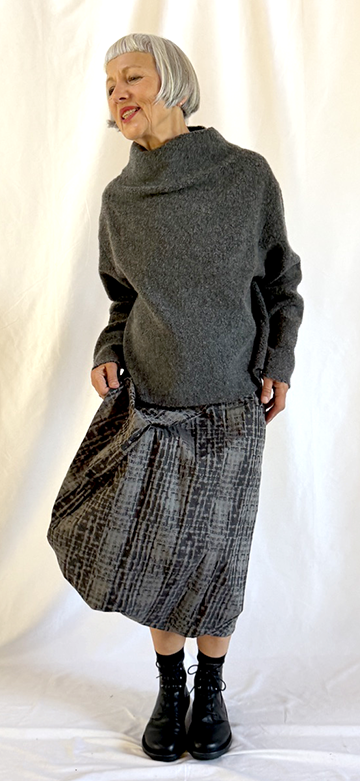
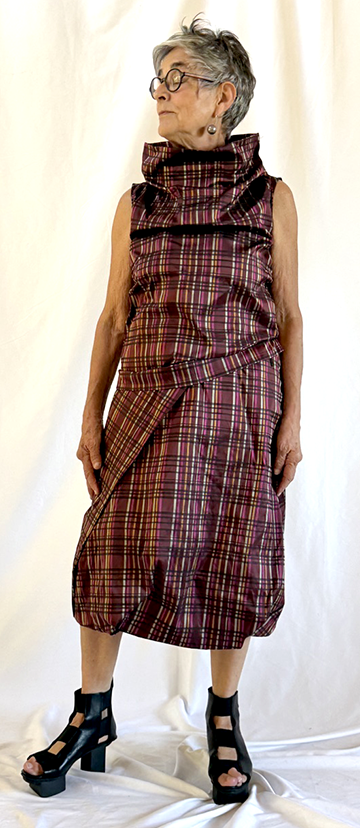
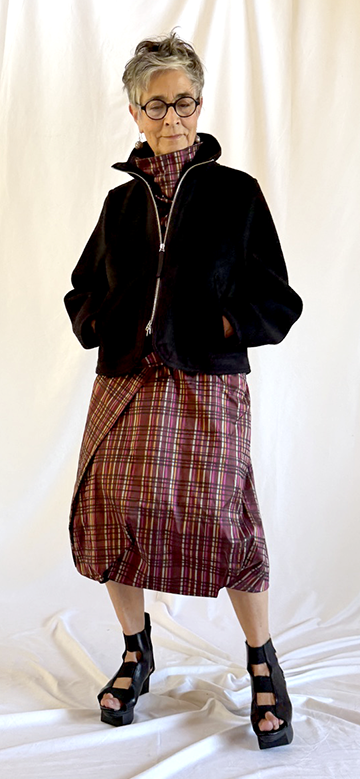
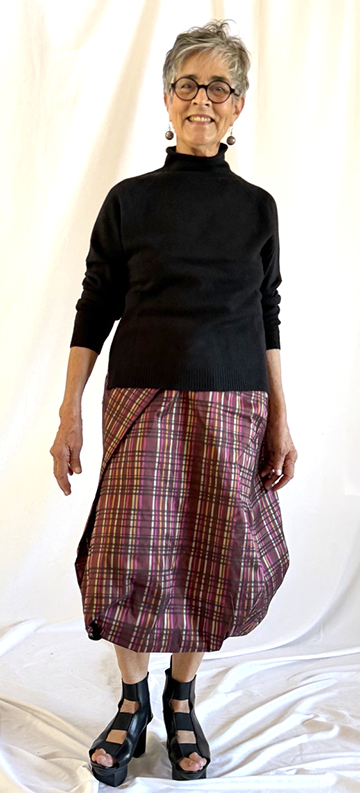
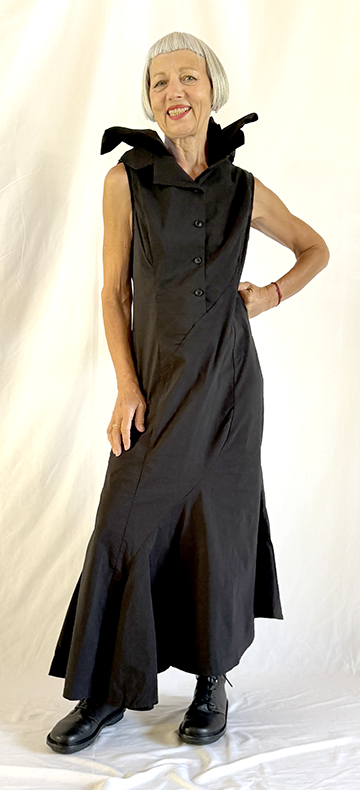
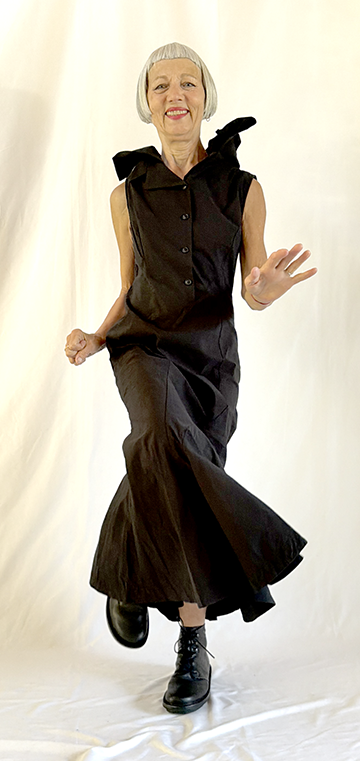
Peter O. Mahler’s design ethos centers on minimalism, purism, and architectural craftsmanship, tailoring avant-garde silhouettes for modern, independent women.
The core elements of his design aesthetic include:
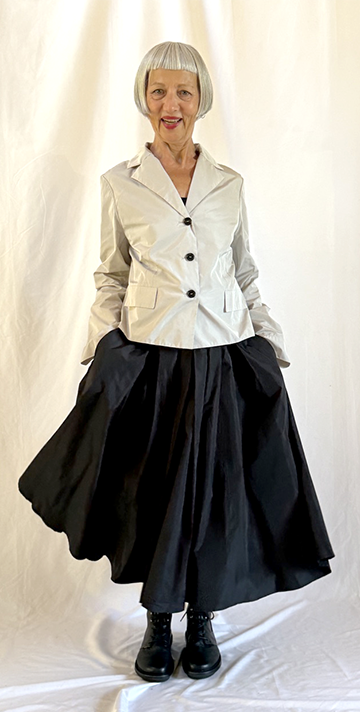
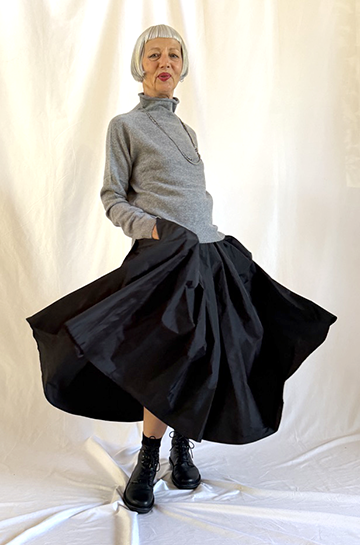
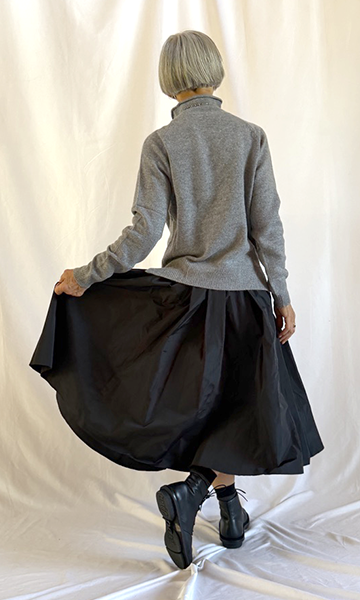
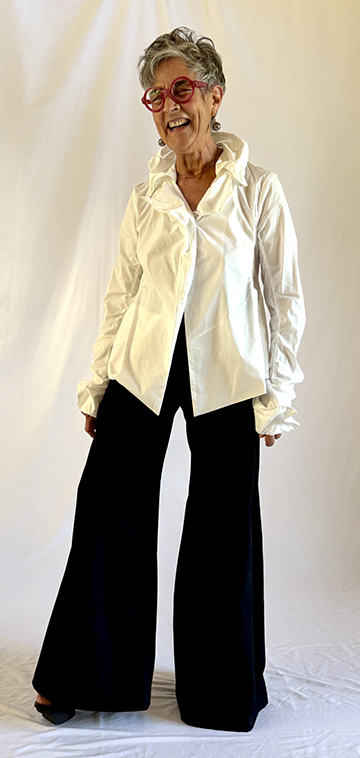
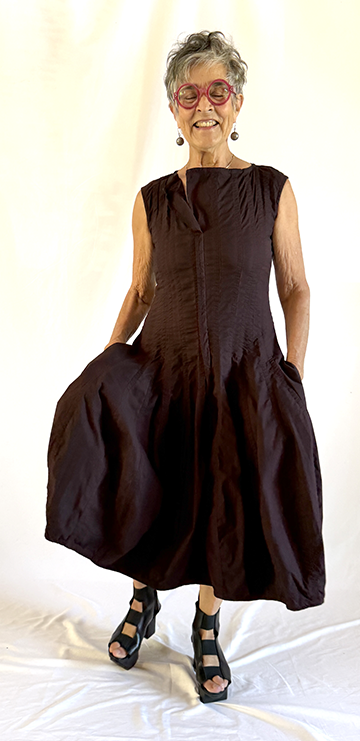
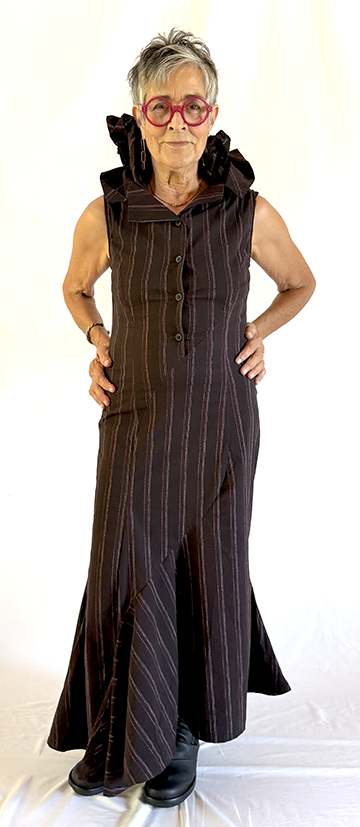
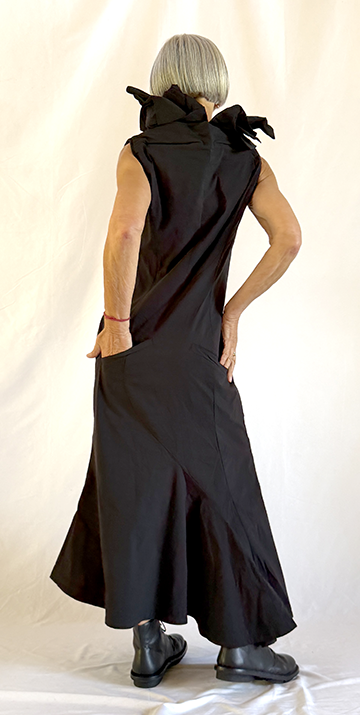
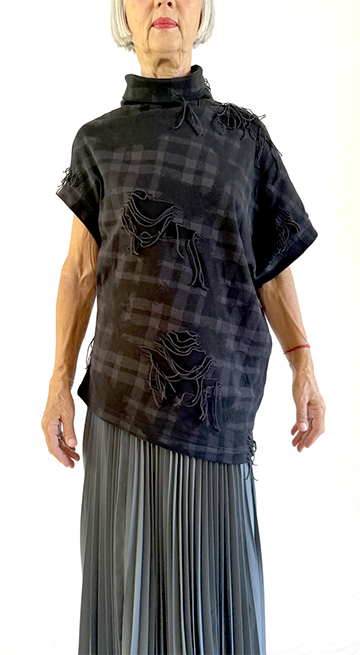
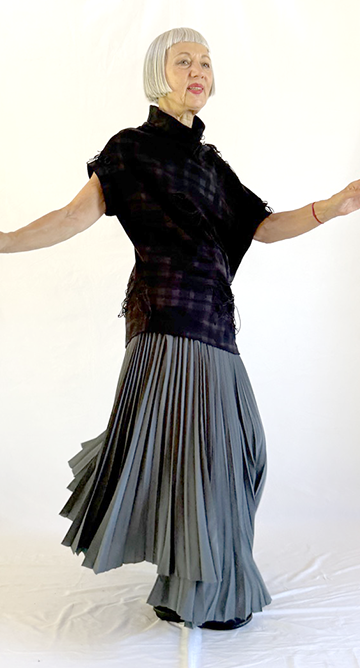
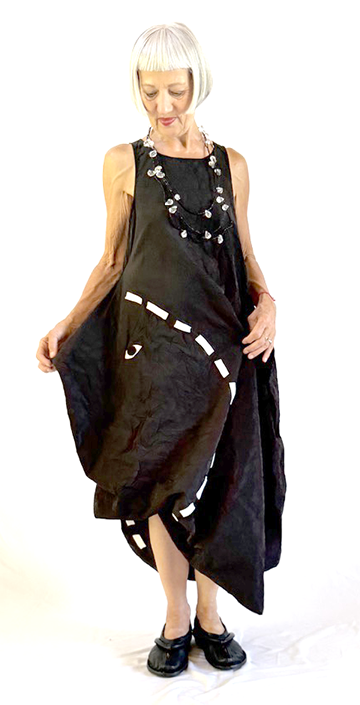
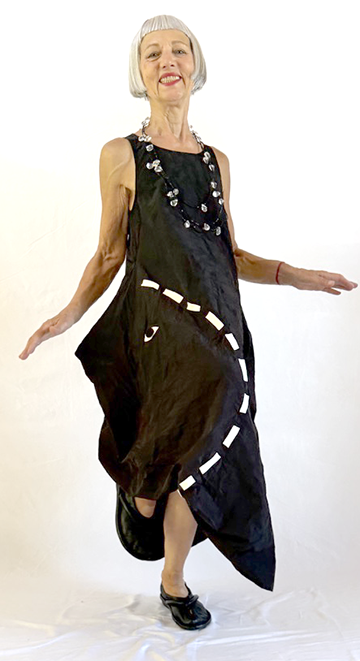
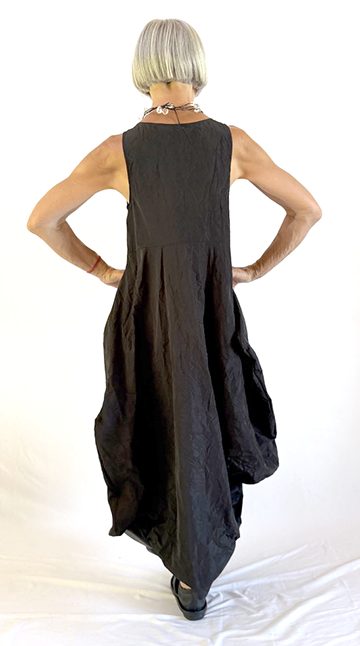
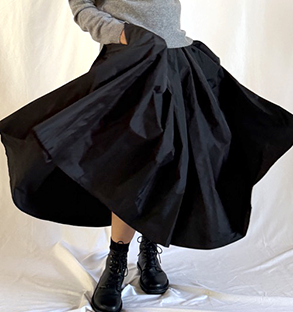
Minimalist Architecture & Structural Cuts: Emphasizes clean, geometric, and often asymmetrical shapes. The garments focus on spatial harmony between the body and the fabric, featuring architectural drapes, cowl necks, diagonal pleating, and bubble or A-line skirts.
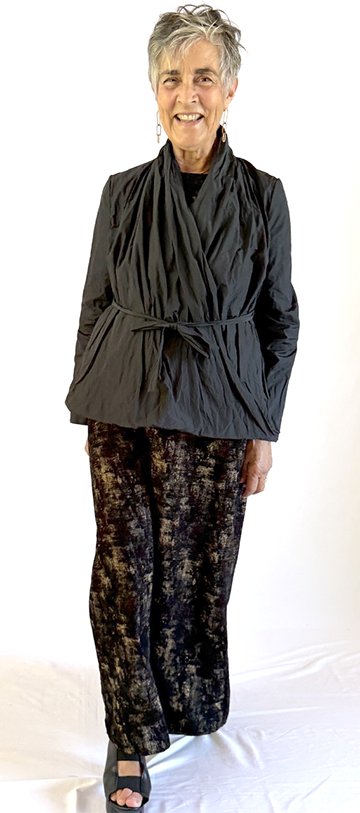
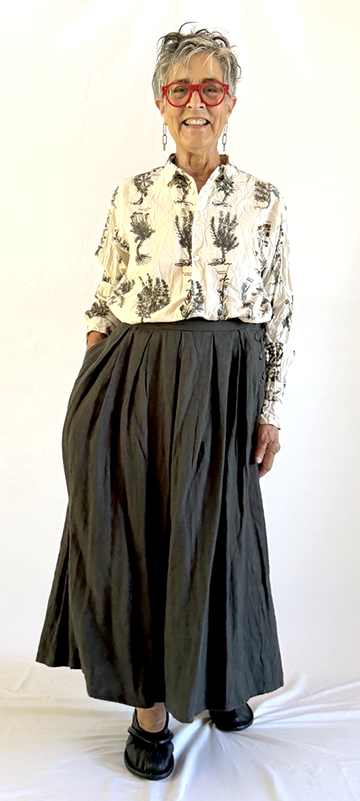
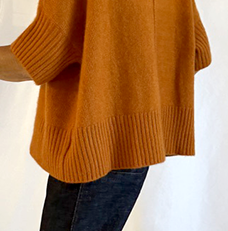
Signature Fabric Treatments & Textures: Leverages distinct, highly tactile fabrics rather than printed patterns. His collections regularly feature signature "crash" (crinkled) taffetas, techno-stretch weaves, iridescent textures, and rich natural knits like fine cashmere and wool flannel.
Functionality & Modern Versatility: Focuses on everyday wearability mixed with structural elegance. Signature details like off-center zippers, elasticized waistbands, and subtle drawstrings blend functional utility with avant-garde fashion.
H+HANNOH WESSEL design philosophy centers on slow fashion, functional elegance, and artisanal craftsmanship. Born in Germany and trained in Paris at the École de la Chambre Syndicale de la Couture Parisienne, Wessel combines haute couture precision with relaxed, everyday wearability in his label H+ Hannoh Wessel.
Core Pillars of His Design Ethos
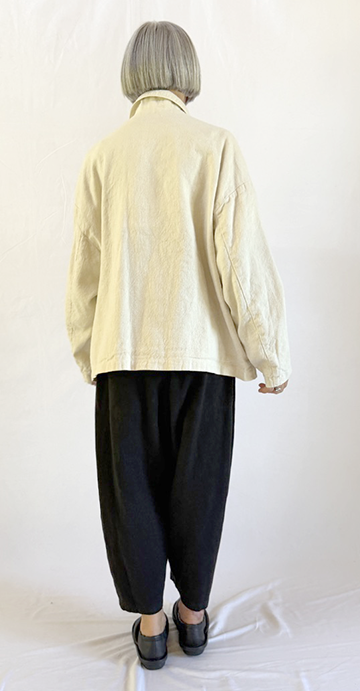
Understated & Architectural Silhouettes: Wessel focuses on loose, fluid, and structured shapes that prioritize comfort, movement, and longevity over fleeting trends. His collections draw heavily from relaxed tailoring, utilitarian uniforms, and subtle military-inspired details.
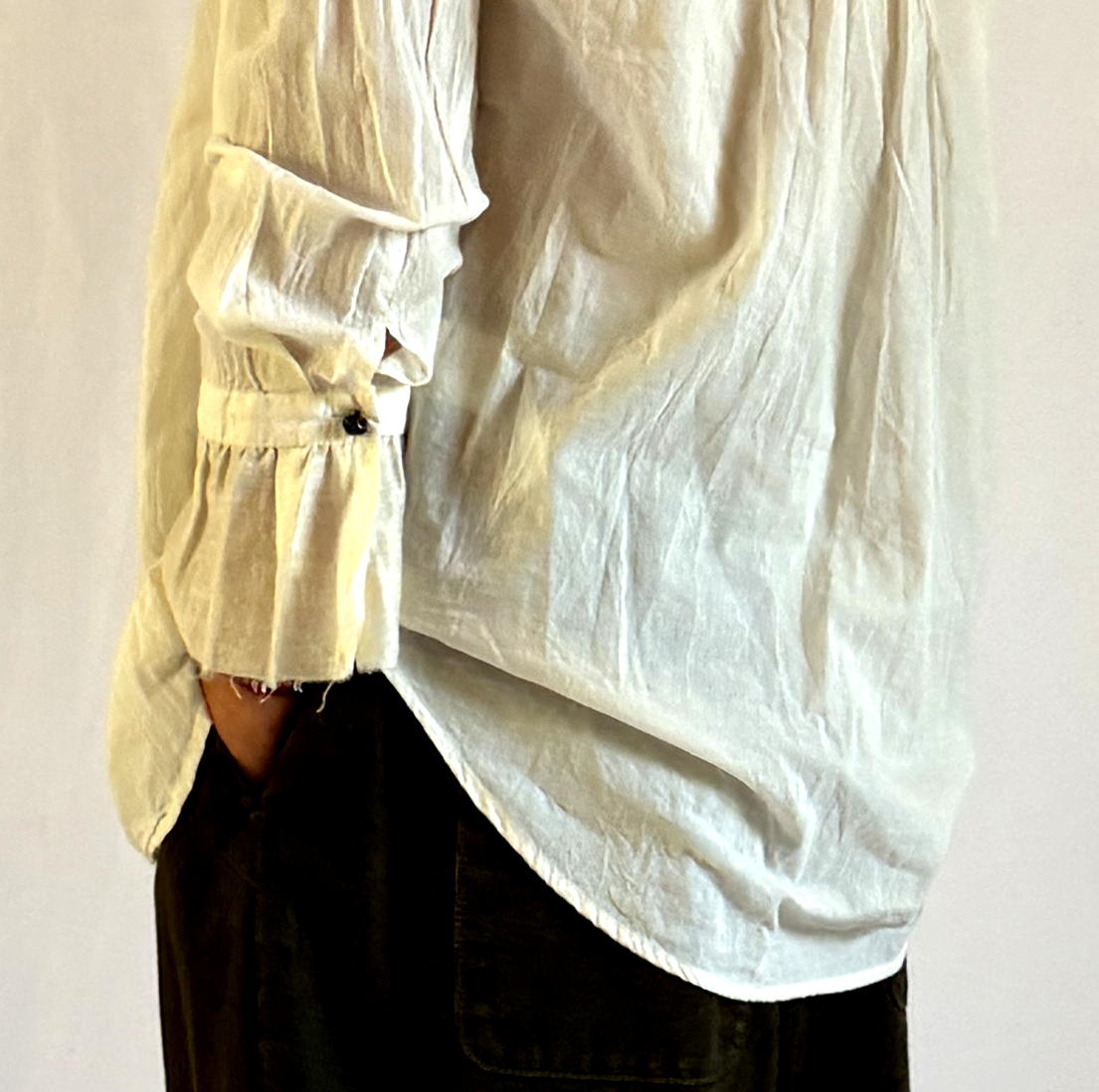
Raw Aesthetics & Signature Touches: His garments celebrate texture and imperfections rather than hyper-polished finishes. Unfinished, raw edges, washed textures, garment-dyeing techniques, and subtle hand-stitched accents—most notably his signature red contrast stitching—are prominent features across his collections.
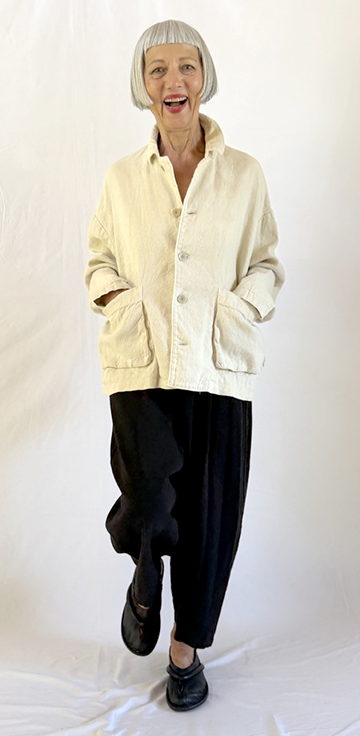
High-Quality Natural Textiles: Textile tactile quality drives the design process. He works almost exclusively with natural fibers such as crumpled linen, washed cotton, lightweight wool, cashmere, and traditional tweeds (like Harris Tweed). The fabrics are selected and treated to feel lived-in and age gracefully over time.
Artisanal Italian Production: Embracing a strict slow-fashion ethos, the entire manufacturing process takes place in small, specialized ateliers and factories in Italy. This ensures high-caliber craftsmanship, ethical production, and timeless durability.
Versatility and Longevity: Designed with a quiet, poetic sensibility, Wessel’s clothing is meant to transcend seasonal trends, encouraging wearers to layer pieces effortlessly and keep them in their wardrobes for years.
RUNDHOLZ + DIP + BLACK LABEL
In each and every piece in the Rundholz collection you can expect their signature style. Luxury and innovation combined, Rundholz looks at finishes and cuts across their ranges, using unique prints and edgy silhouettes to create pieces that will stand out from any crowd.
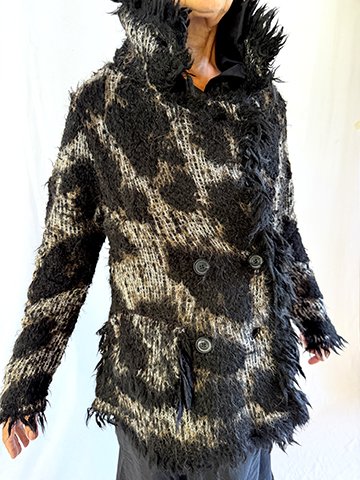
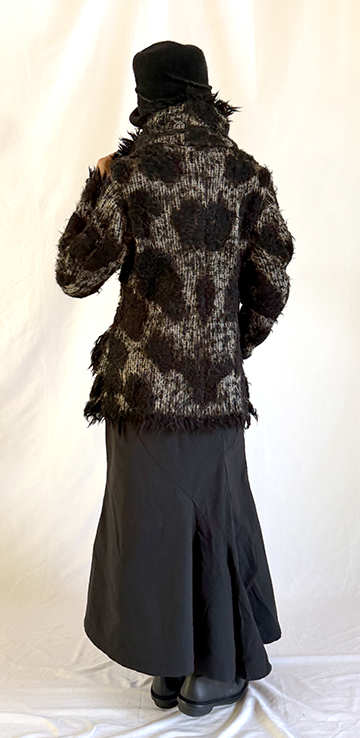
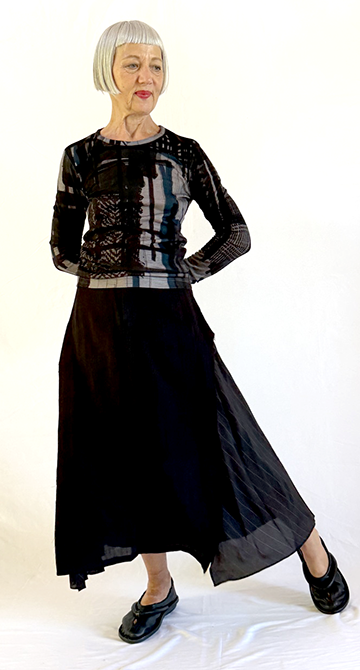
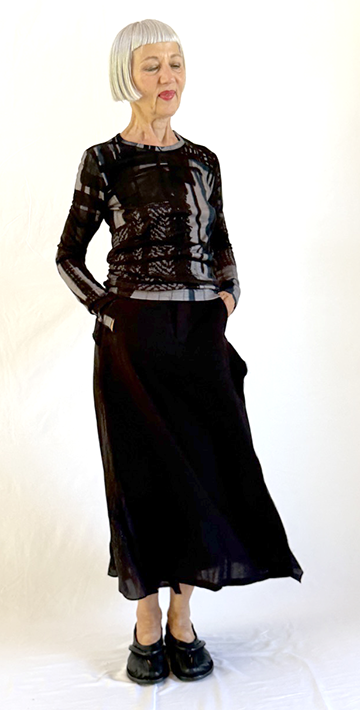
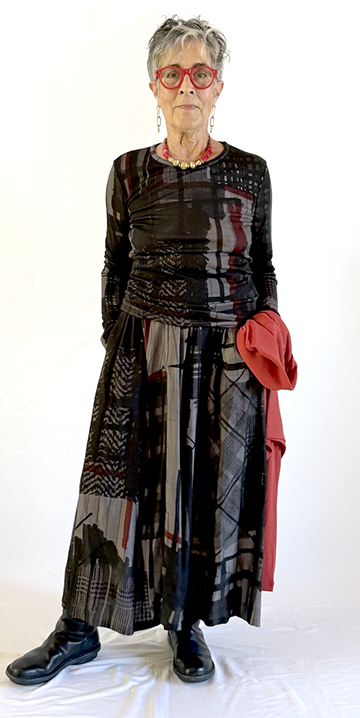
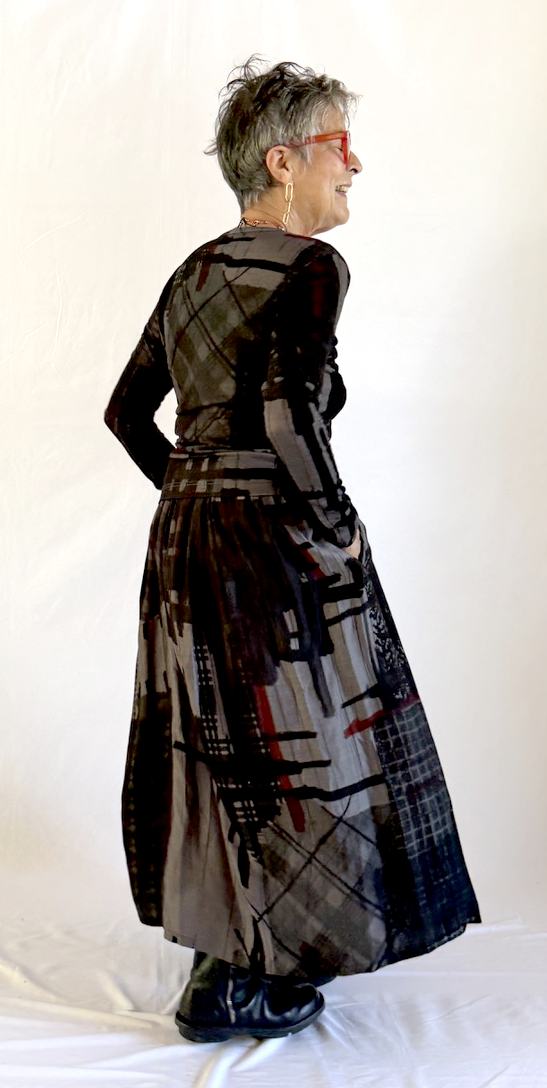
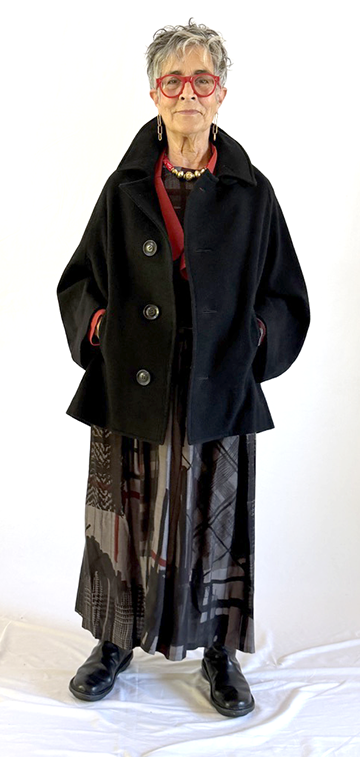
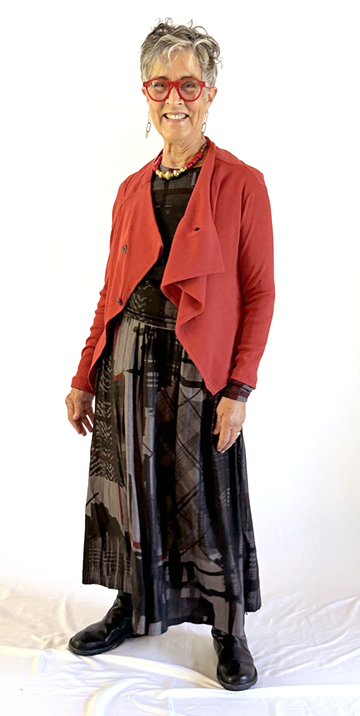
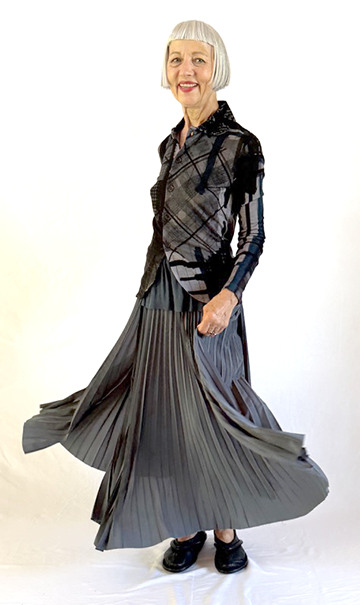
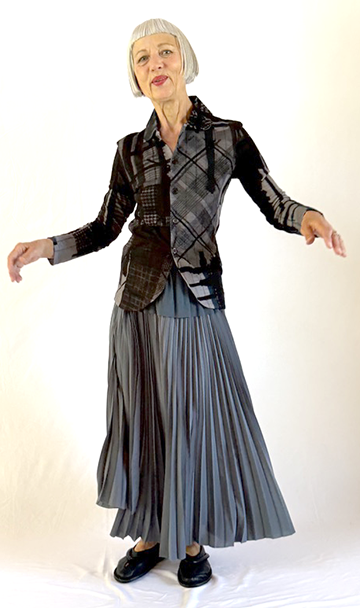
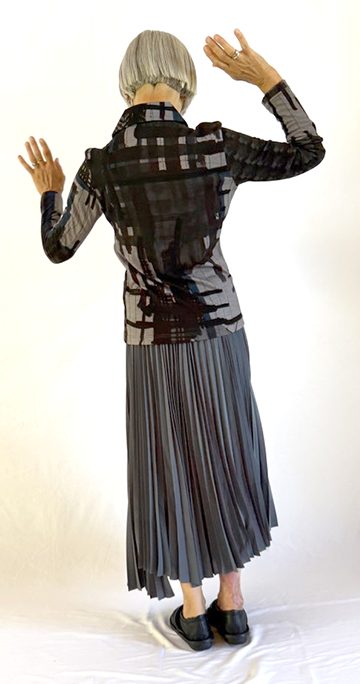
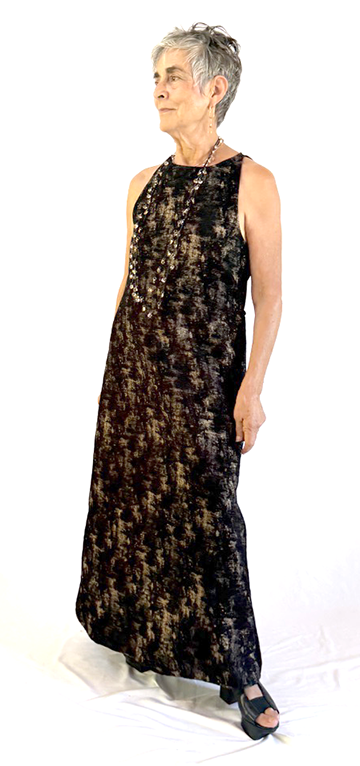
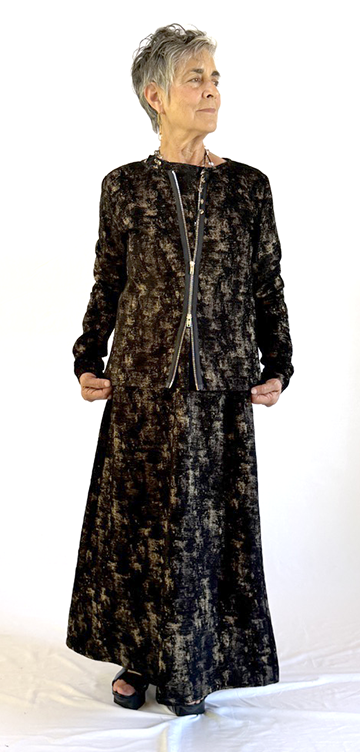
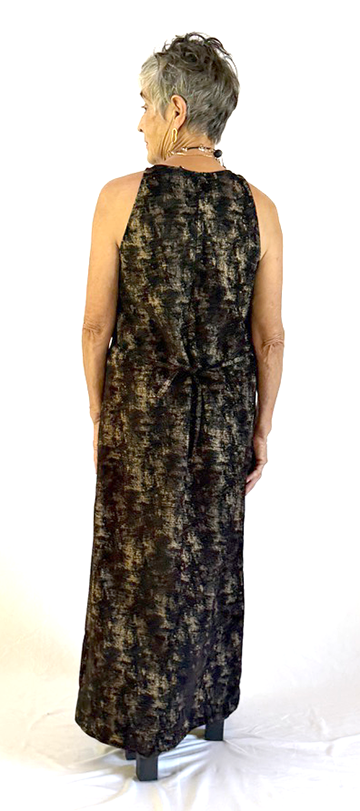
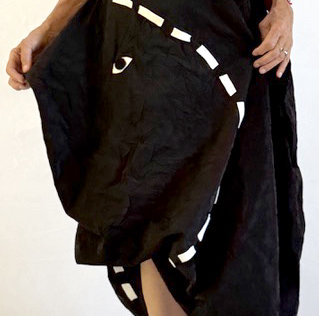
RUNDHOLZ DIP is a more experimental, artistic line known for bold color, unusual textures, and distinctive, expressive silhouettes. It tends to use oversized or asymmetrical shapes, layered construction, and special fabric treatments like overdying, washed effects, crackle finishes, and painterly prints, relaxed tailoring with an artistic twist, avant-garde with a mix of edgy and feminine styling. For the artistic, independent and unconventional woman who prefers clothing with shape, texture, and personality over trendy basics.
Black Label is innovative clothing at its best, creating designs inspired by nature and the scenery of the countryside. Black Label merges unconventional cuts, whimsical details, and a sculptural quality to make garments that are intelligently stylish and a pleasure to wear. Black Label is for women who think for themselves.
Y's
Centered on functional and dignified everyday wear, Y's lies in a category of its own, fusing orthodox design principles with idiosyncratic pattern making. Particular attention is paid to cut and silhouette, texture, and the amount of empty space between the body and the garment. Y's is a brand that more subtly hints at Yohji Yamamoto's core identity with practical and high-quality prêt-à-porter pieces.
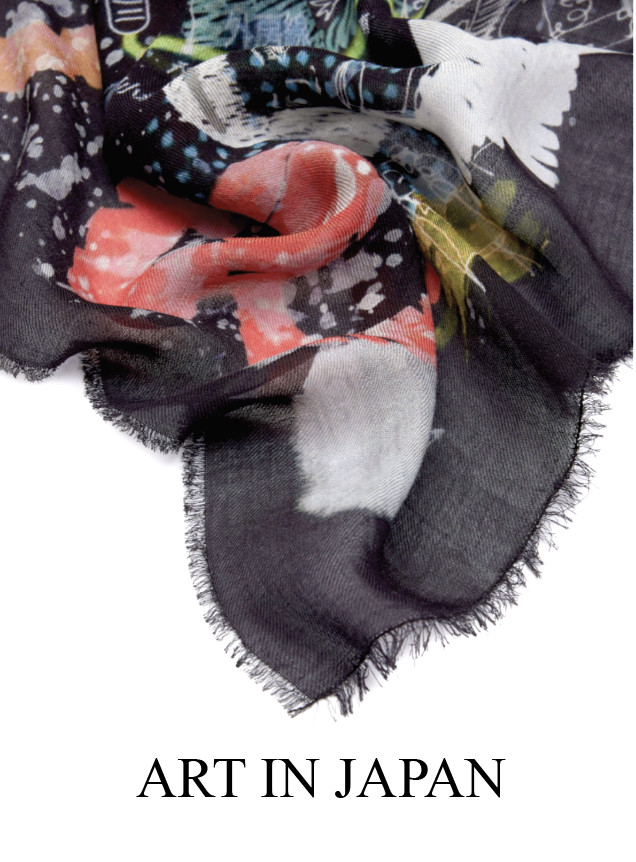
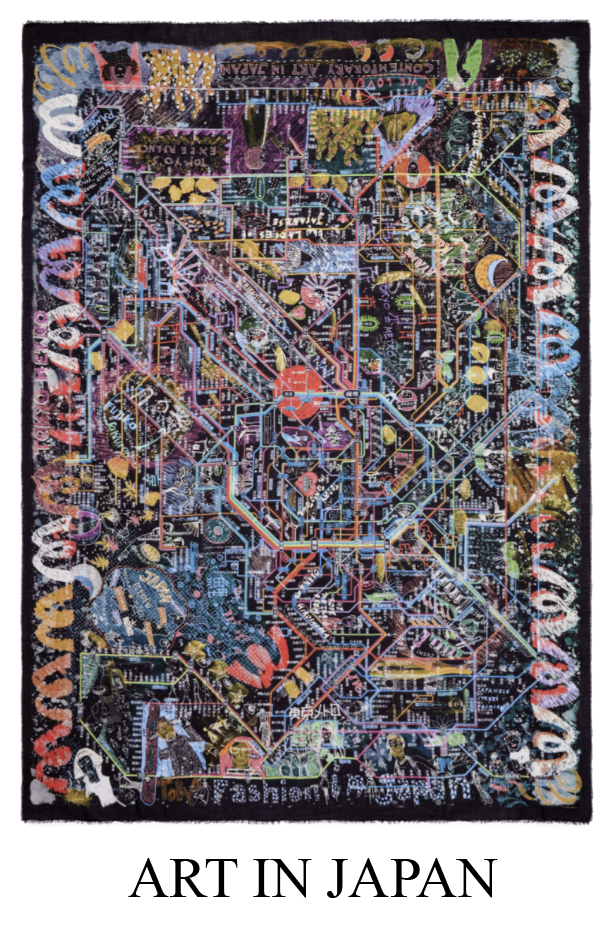
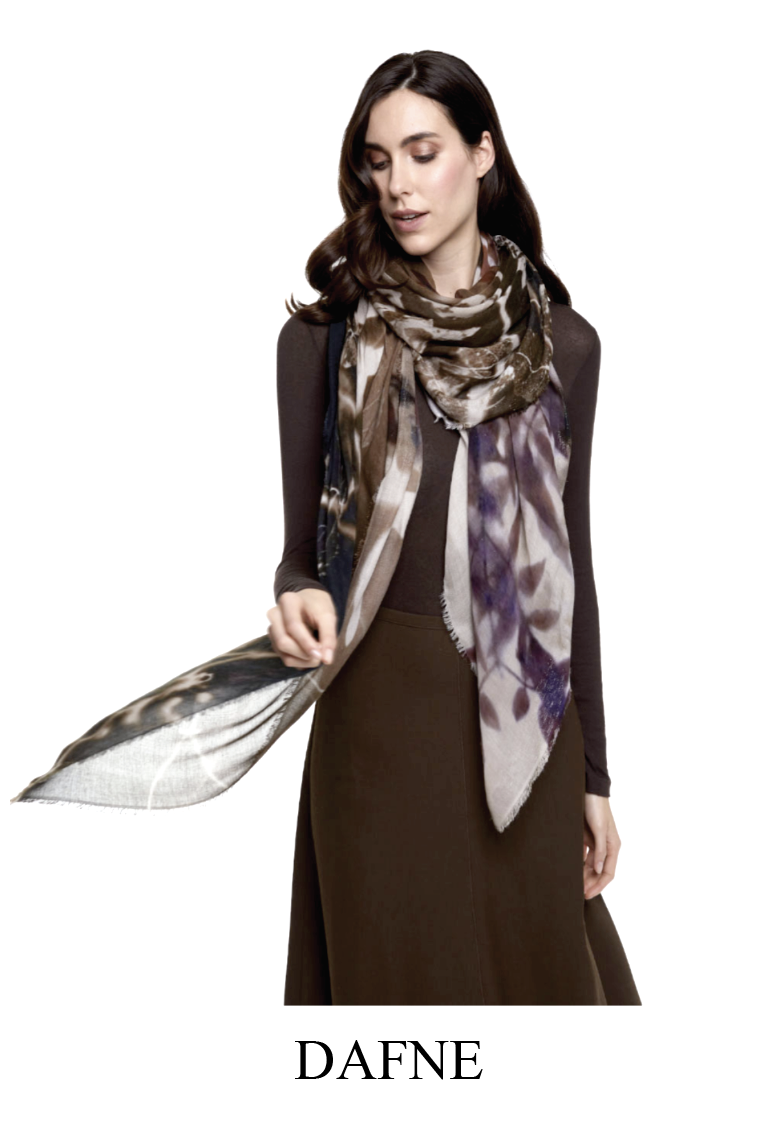
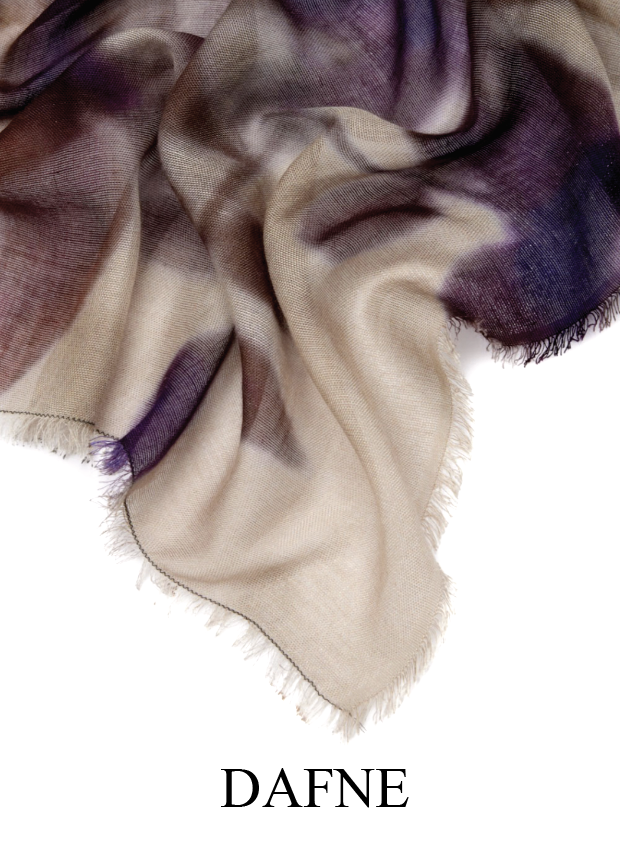
Reinterpreted textiles, lightened, deconstructed, pattern and volumes reinvented on noble fabrics such as linen, silk and cashmere…intimate accessories characterized by a comfortable sensuality. This is the creative genealogy by Monica Sarti, heir to research assets, creativity, tastes which made Italian fashion great. The textile company that her grandfather, Faliero Sarti, set up in the post-war period became the major fashion houses’ partner.
“It was 1998 when I came back from New York after spending my formative years where I had an amazing experience in which I received lots of incentives. I had so many ideas but I knew nothing of textile production and it took me years to understand the functioning of looms. Also there existed an accessories ward in which no one had any interest, so I decided to focus on it. I had the idea of using noble fibers and deconstructing them, making the fabric look less perfect and more worn. I wanted a comfortable item of clothing, as I thought that this was the direction fashion had been going in. I started selling accessories in 2000.”
MONICA SARTI
The design and operational ethos of Kristensen Du Nord centers on quiet luxury, deliberate craftsmanship, and slow fashion. Founded in 1996 by Danish designer Grith Gerner, the brand bridges Scandinavian minimalism with Italian artisan traditions.
Its style ethics break down into four primary pillars:
1. Slow Fashion & Longevity (Anti-Trend)
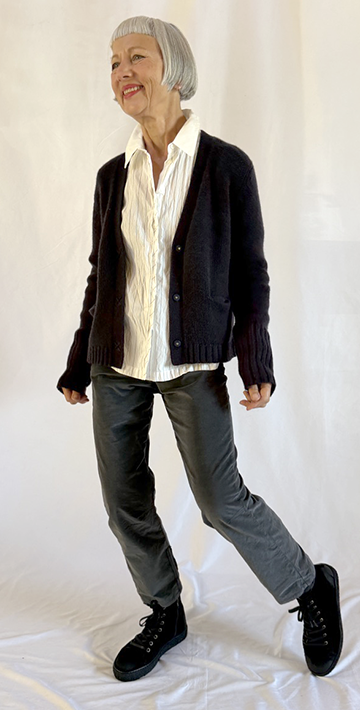
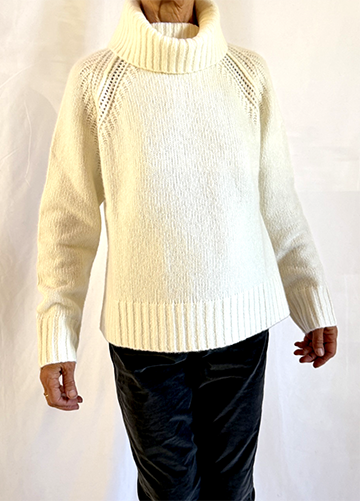
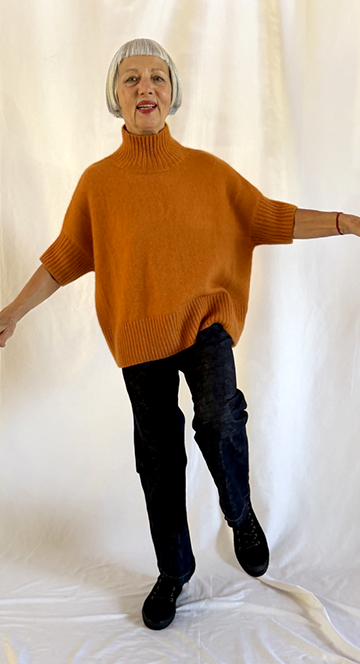
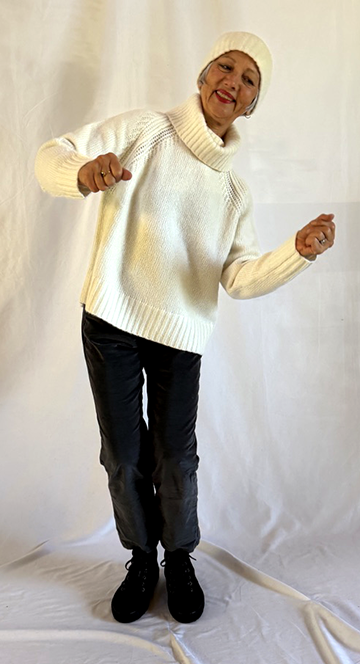
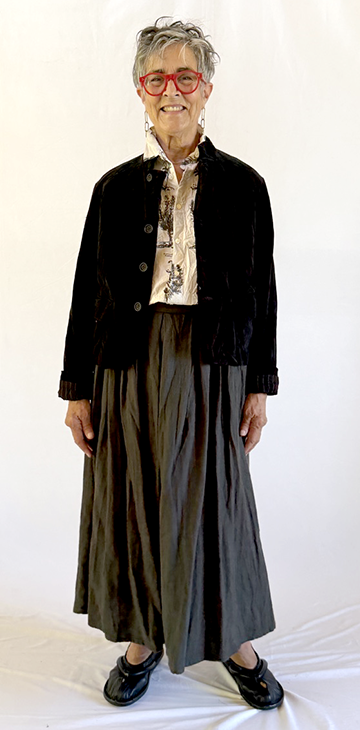
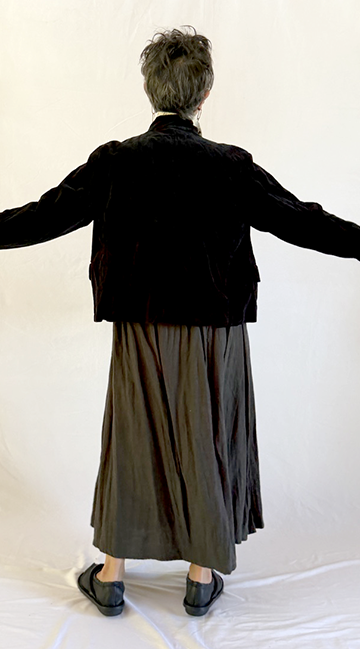
Kristensen Du Nord rejects seasonal trends and the rapid churn of fast fashion. The aesthetic relies on understated, relaxed silhouettes, raw edges, and neutral palettes (charcoals, taupes, washed blacks, off-whites). The goal is to produce timeless "investment" pieces that are designed to be worn for years, directly countering disposability in clothing.
2. Natural Materials & Textile Integrity
The brand focuses exclusively on high-grade, natural fibers: Cashmere, silk, fine cotton, and linen make up the core of their textiles. Fabrics undergo specialized garment-dyeing, washing, and treatment processes to give them a softened, lived-in texture that ages gracefully without losing structural integrity.
3. Artisanal & Small-Scale Manufacturing
While designed in Copenhagen, Denmark, all garments are handcrafted in small, specialized ateliers in Italy. By operating through small-scale production runs rather than mass manufacturing, the brand ensures higher quality control, supports traditional European craftsmanship, and limits excess inventory waste.
4. Tactile Comfort over Ornamentation
The design philosophy treats comfort as an essential component of style. Rather than relying on bold logos or synthetic structures, the garments emphasize ergonomic drape, subtle stitching, and a soft hand-feel. It reflects an ethic where luxury is measured by how a garment feels to the wearer rather than how loudly it displays a status symbol.
Maria Calderara founded her eponymous brand in Venice in 1982, where her production atelier is still based today. Combining a passion for art with a background in architecture, she creates collections of clothing and jewelry defined by conceptual and rigorously structured designs. Her timeless creations are showcased in showrooms in Milan and Paris and distributed internationally. Her work stands out for its ongoing exploration of form and material, often pushing the boundaries with unusual or seemingly impossible materials. Since 2022, she has renewed her creative journey by opening a direct dialogue with contemporary artists who are part of her personal collection and who share her aesthetic vision. This has led to the development of collections, the result of collaborations with artists such as Gianni Pettena, Luca Maria Patella, Antonio Scaccabarozzi, Eugenio Tibaldi, Piero Manzoni, Satoshi Hirose e Tomaso Binga.
A constant dialogue with Venice and its extraordinary artisanal heritage nourishes the creative process while helping preserve invaluable craftsmanship. Many construction techniques that might seem impossible are brought to life through the sensitivity, passion, and exceptional skill of the artisans who work alongside Maria. Over the years, she has developed a deep understanding of each artisan’s creative vision, technical expertise, and unique abilities. She designs with their knowledge, intuition, and craftsmanship in mind, often conceiving garments that could only be brought to life by the hands of her Venetian atelier. Every piece is approached with patience, dedication, and genuine care. Challenges, whether technical or time-related, are never seen as limitations but as part of the creative journey. What truly matters is achieving the best possible result, even when it requires extraordinary commitment. In this way, design and craftsmanship merge seamlessly, making every garment truly one of a kind.
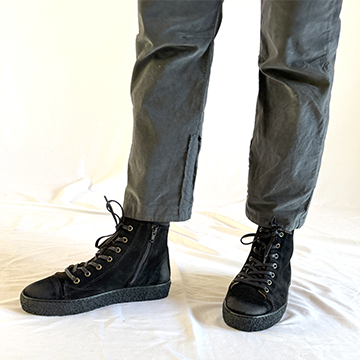
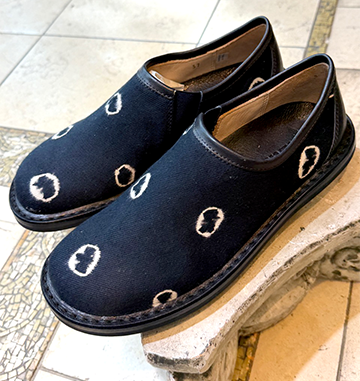
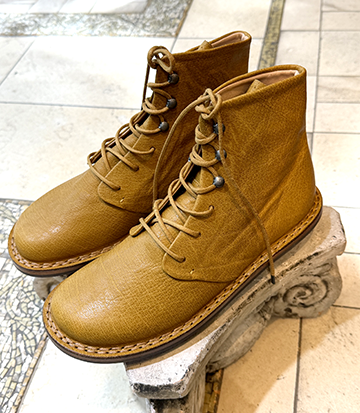
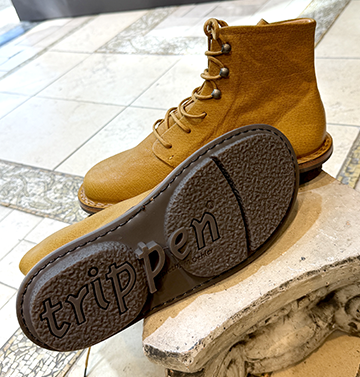
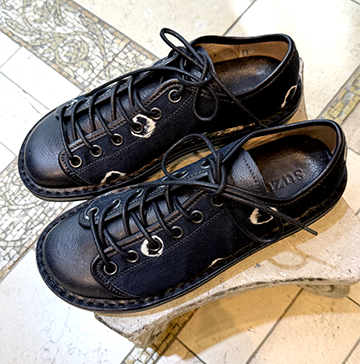
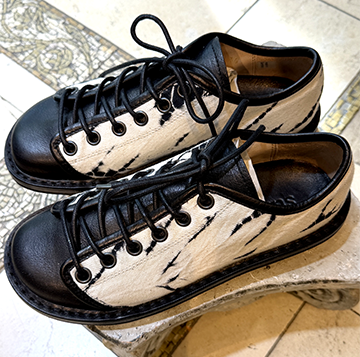
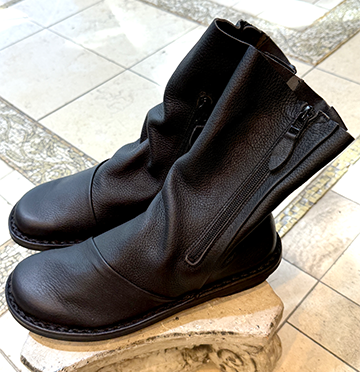
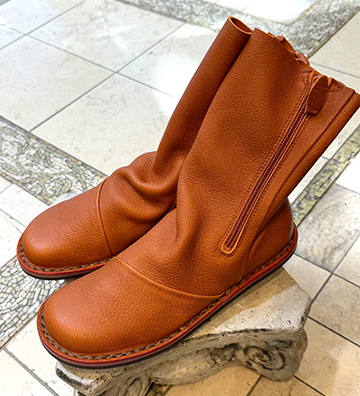
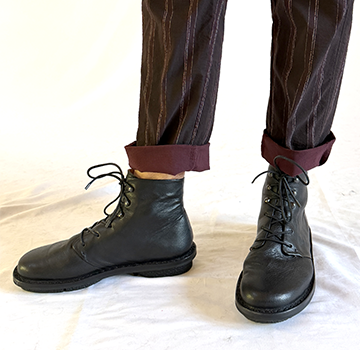
Berlin, 1991. Inspired to translate a new vision of transparency into avant-garde shoes, Angela Spieth and Michael Oehler founded Trippen. Embodying the spirit of their reunited city, the designers forged a distinct style through an interplay of restraint and creativity. Rubber sole moulds were reduced to a few styles chosen for optimal comfort while leather uppers offered limitless possibilities for creative expression. The signature design language that has since earned Trippen its international cult status emerged from this framework, to which the label remains true today—playfully referencing fashion’s shifts while transcending them with a timeless aesthetic. Each new style adds a point of distinction to the brand’s living archive, which contains over 1600 models available for re-order. In honour of its customers’ creativity, Trippen’s bespoke ‘Made for You’ service invites individuals to personalize their pair by selecting both leather style and sole color.
Pas-de-Calais, Northern France.
On a clear day looking over the Channel, the white cliffs of Dover come into view. The famous "Dentelle de Calais" is renowned as one of the most beautiful laces in the world. Inspired by the rich heritage of this region, its fine delicate lace, the outdoor lifestyle, set in a stunning landscape, this state of mind and way of life are the sources behind the pas de calais label.
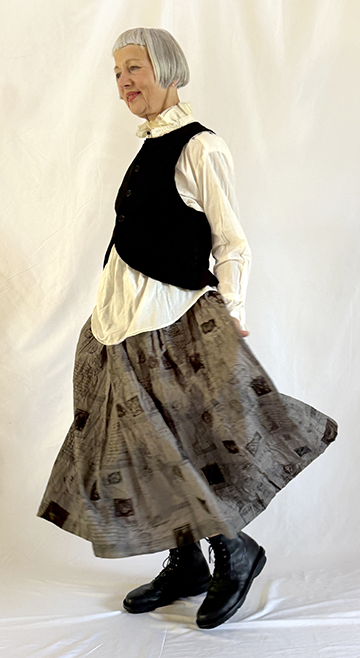
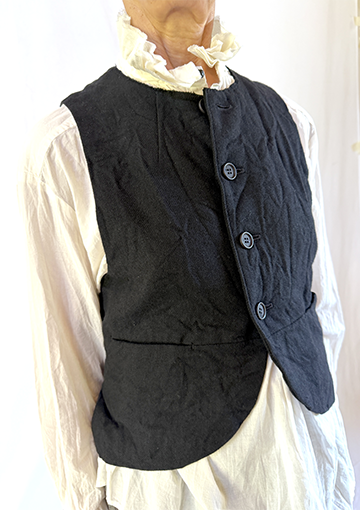
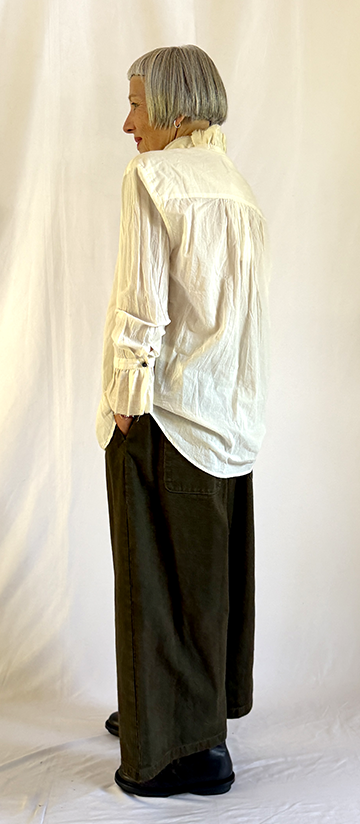
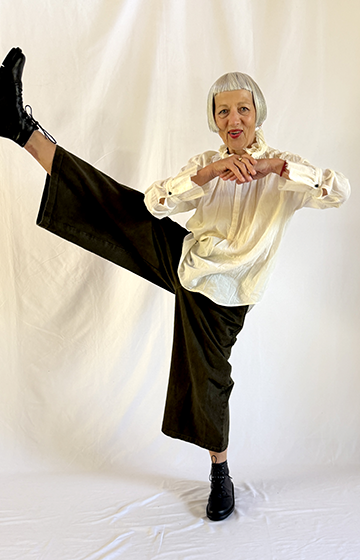
An essence of purity and nostalgia added to modern casual design, the pas de calais spirit is a romantic contemporary universe. Combining a variety of traditional dyeing and advanced techniques used with cotton, linen and silk, pas de calais develops its own original textiles. Natural materials are harmoniously composed into a comfortable wearable collection. The color tones, like the surrounding landscape, are based on soft naturally subdued shades of ecru, sand, khaki green, chalk white, dove gray and coal black.
pas de calais proposes a balanced subtle mixture of casual silhouettes in wholesome fabrics highlighted by touches of decadence that give a freedom of personal styling that crosses all frontiers.
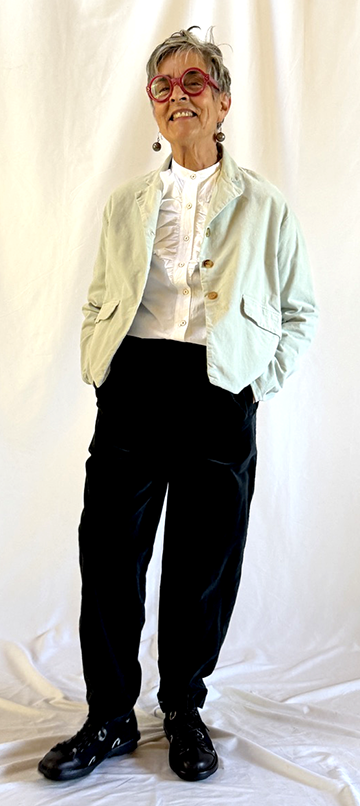
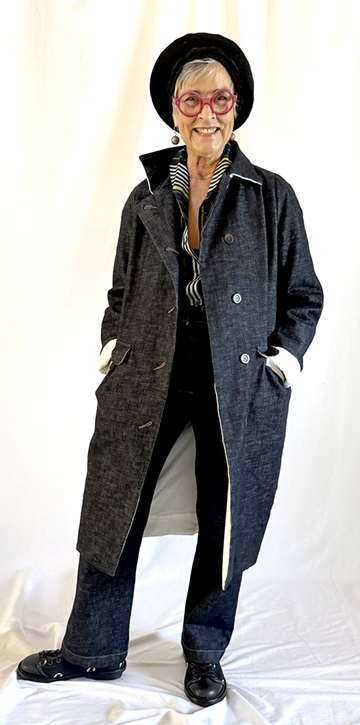
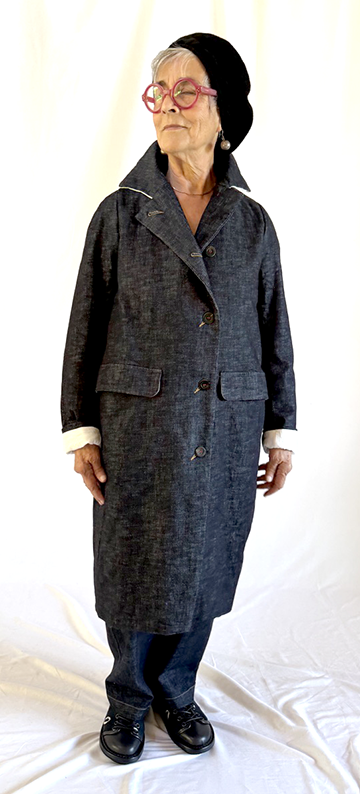
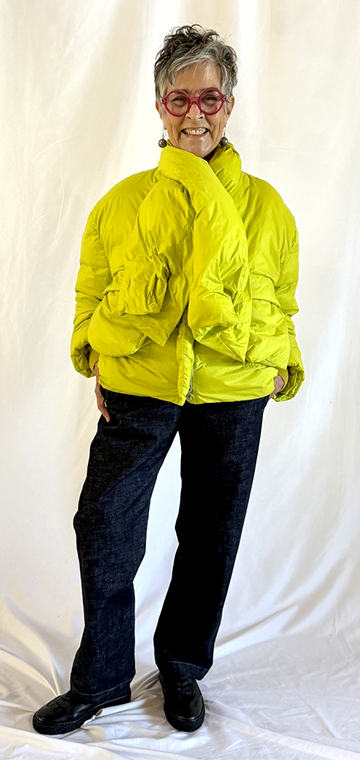
Quisque iaculis facilisis lacinia. Mauris euismod pellentesque tellus sit amet mollis.